
AI Trends for Nonprofit Organizations in 2026: What Every NGO Should Know
Artificial intelligence is no longer a futuristic idea reserved for tech giants. In 2026, AI for nonprofits has become a practical, everyday tool that helps charities and NGOs raise funds, communicate with supporters, and measure their impact, often with small teams and tight budgets. For organizations committed to serving communities, the question is no longer whether to explore AI, but how to use it wisely and responsibly.
This guide covers the key nonprofit trends of 2026 and how mission-driven organizations can benefit from AI without losing the human heart of their work.
Why AI Matters for Nonprofits Right Now
Most nonprofits operate with limited staff, limited funding, and unlimited demand. AI tools can take over repetitive tasks such as drafting emails, summarizing reports, and organizing data, freeing people to focus on programs, relationships, and field work. For small and mid-sized NGOs, this can be a real equalizer.
Trend 1: AI-Assisted Fundraising and Donor Engagement
Fundraising remains the lifeblood of most charities, and AI is changing how it works. In 2026, nonprofits increasingly use AI to:
- Draft personalized donor thank-you messages and appeals
- Segment supporters by giving history and interests
- Identify lapsed donors who may be ready to give again
- Suggest the best timing and channels for outreach
The most effective organizations treat AI as a drafting partner, not a replacement for genuine connection. Donors respond to authenticity, and a human review keeps messages warm and truthful.
Trend 2: Faster, Smarter Grant Writing
Grant applications are time-consuming. AI tools now help teams outline proposals, summarize funder guidelines, tailor language to different donors, and tidy up budgets and narratives. Staff still provide the facts, the vision, and the final review, but the first draft arrives much faster. For small NGOs competing for limited grants, this saves valuable time.
Trend 3: Content Creation and Nonprofit SEO
Visibility is a challenge for many charities. AI helps nonprofits produce blog posts, social media content, newsletters, and video scripts more consistently. Combined with solid nonprofit SEO, using the words supporters actually search for, such as “how to donate to help families” or “charities that support education,” organizations can reach new audiences organically, without large advertising budgets.
Best practice for 2026: use AI to draft and research, then add real stories, real photos, and real field insights. Search engines and readers alike increasingly value original, experience-based content.
Trend 4: Better Impact Measurement and Reporting
Donors and institutional funders expect transparency. AI can help analyze survey responses, summarize field reports, spot patterns in program data, and turn raw numbers into clear impact reports. Organizations that can show what changed, and for whom, build stronger trust and secure more support.
Trend 5: AI Chatbots and Supporter Service
Many nonprofits now use chatbots on their websites to answer common questions about donating, volunteering, and programs at any hour. This improves the supporter experience and reduces repetitive inbox work. Clear limits matter, though: sensitive or complex conversations should always reach a real person.
Trend 6: Smarter Program Planning and Data Use
From mapping where need is greatest to forecasting seasonal demand, data-driven planning is growing among NGOs. AI can help analyze community needs, track program progress, and flag risks early. For organizations working in remote or underserved areas, even simple data tools can improve how resources are allocated.
Trend 7: Responsible and Ethical AI
With power comes responsibility. In 2026, responsible AI is a defining theme for the sector. Nonprofits should consider:
- Privacy: Never enter sensitive beneficiary or donor data into tools without understanding how it is stored and used.
- Accuracy: Always fact-check AI outputs, especially statistics and claims.
- Bias: Be alert to stereotypes in AI-generated text and images, particularly when depicting vulnerable communities.
- Dignity: Represent beneficiaries truthfully and respectfully, with consent for stories and photos.
- Transparency: Be open with supporters about how technology is used.
Written AI policies are becoming a mark of trustworthy organizations.
Trend 8: Digital Skills as a Development Tool
AI is also shaping the programs nonprofits run. Digital literacy, online freelancing, and e-commerce training are increasingly seen as pathways out of poverty, especially for young people and women in remote regions. Nonprofits that teach practical digital skills are preparing communities for an economy shaped by technology.
How Small NGOs Can Get Started
You do not need a large budget to begin. A practical approach:
- Start with one problem. Choose a time-consuming task, such as drafting newsletters or summarizing reports.
- Pick simple tools. Many useful AI tools are low-cost or free for nonprofits.
- Create basic guidelines. Decide what data can and cannot be shared.
- Train your team. A short workshop builds confidence and consistency.
- Keep humans in charge. Review everything before it goes public.
- Measure results. Track time saved and outcomes achieved.
What AI Cannot Replace
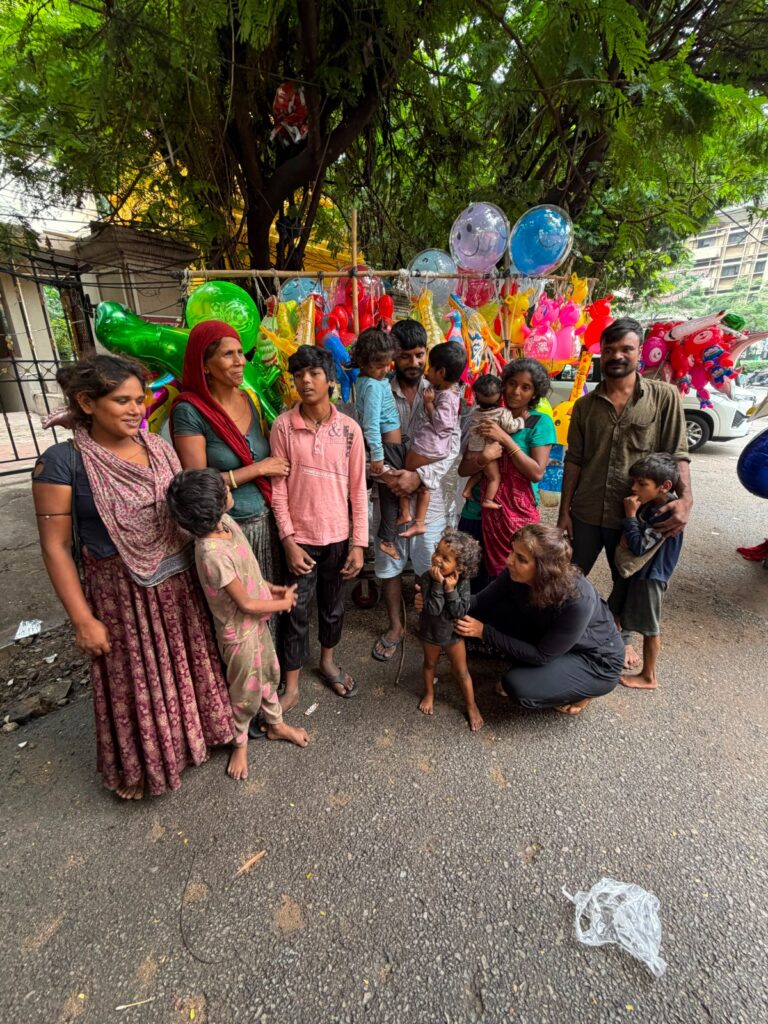
No algorithm can sit with a family in hardship, listen to a mother’s story, or earn the trust of a village. The heart of nonprofit work is human: compassion, presence, and accountability. AI works best when it clears the path so people can spend more time on what matters most.
Final Thoughts
The nonprofit trends of 2026 point to a sector that is more connected, more data-informed, and more efficient, provided it stays grounded in ethics and empathy. Organizations that adopt AI thoughtfully can raise more, communicate better, and prove their impact, all while keeping people at the center.
At Our AIM Foundation, we believe technology should serve humanity: helping us reach more families, build stronger communities, and create lasting opportunities.