


How Winter Affects Children Around the World: The Hidden Crisis of No Warm Clothes
For many families, winter means cozy sweaters, hot drinks, and warm beds. For millions of children around the world, it means something very different: walking to school in worn-out sandals, sleeping in unheated rooms, and shivering through the night in thin clothes. The crisis of children without warm clothes is often invisible, yet its effects on health, education, and survival are serious.
This article explores how cold weather affects children globally, why the poorest communities suffer most, and what you can do to help.
Winter Is Not Equal for Every Child
Cold weather affects the whole world, from the mountains of South Asia and Central Asia to the highlands of Africa and Latin America, from conflict-affected regions in the Middle East to cities in wealthy nations. But the impact depends on resources. A child with proper clothing, heating, and nutrition can handle winter. A child without them faces real danger.
Poverty and winter form a harsh combination. Families who struggle to afford food often cannot also afford coats, shoes, blankets, or fuel.
How Cold Weather Harms Children’s Health
Children are more vulnerable to cold than adults. Their smaller bodies lose heat faster, and their immune systems are still developing. When a child lacks warm clothing, the risks include:
- Respiratory infections such as colds, flu, bronchitis, and pneumonia
- Hypothermia and frostbite in extreme cold
- Worsening of existing conditions such as asthma
- Weakened immunity, as the body spends energy trying to stay warm
Poor nutrition makes things worse. A hungry child has less energy to generate body heat, and a cold child is more likely to fall ill, creating a cycle that is hard to break.
In remote areas, the problem grows because clinics may be far away, roads may be blocked by snow, and families may delay treatment due to cost.
Winter and Education: Children Who Stay Home
Health is not the only casualty. Winter affects school attendance in many countries. Children without proper shoes and coats may be unable to walk long distances through snow, ice, or mud. Classrooms without heating can be too cold to concentrate in. Families sometimes keep children home to protect them.
The result is missed lessons, falling grades, and a higher risk of dropping out, especially for girls. Education is one of the strongest routes out of poverty, and cold weather can quietly close that door.
The Emotional Toll of a Cold Winter
Children who live through harsh winters without warmth and comfort may experience stress, poor sleep, and difficulty learning. Parents feel the weight too. Imagine being unable to protect your child from the cold. This pressure can affect the entire family’s wellbeing.
Who Is Most at Risk?
Several groups of children face a higher risk during winter:
- Children in remote mountain communities where winters are long and severe
- Displaced and refugee children living in camps or temporary shelters
- Children in families experiencing homelessness
- Children affected by floods, earthquakes, or conflict, who may have lost homes and belongings
- Orphans and street-connected children
- Babies and toddlers, who cannot regulate body temperature as well
For families recovering from disasters such as floods, winter can arrive before they have rebuilt. Without help, they enter the coldest months with the least protection.
Winter in Upper Chitral: A Real Example
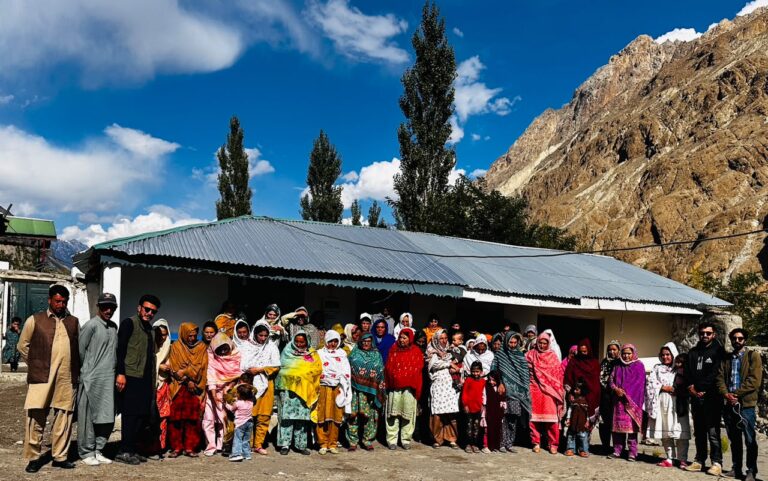
In remote communities such as Lasht Sultanabad in Upper Chitral, northern Pakistan, winters are harsh and poverty is widespread. Many children attend school in the cold with limited clothing and footwear. For families already dealing with scarce employment and the lasting effects of floods, buying warm clothing is often out of reach.
That is why Our AIM Foundation includes winter clothing and footwear as part of the Tirichmir School Skills and Opportunity Incubator, helping children stay protected, attend school, and keep learning through the coldest months.
What Do Children Need to Stay Warm?
Staying warm is about more than a single coat. Children need layers:
- Warm jackets or coats
- Sweaters and thermal layers
- Socks, shoes, or boots (dry feet matter a great deal)
- Hats, gloves, and scarves
- Blankets and bedding
- Nutritious food, which fuels the body’s natural warmth
Each item helps. Together, they can be the difference between a child who stays healthy and one who gets sick.
How You Can Help Children in Winter
The good news is that small acts make a real difference. Here are ways to help:
1. Donate to a trusted winter relief program.
Financial gifts allow organizations to purchase suitable clothing in bulk, often locally, which supports local economies and ensures proper sizes and quality.
2. Support programs that combine warmth with nutrition and education.
A child who has a warm coat, a hot meal, and a safe classroom has the best chance to thrive.
3. Spread awareness.
Share this article and talk about the issue. Many people do not realize how serious winter is for children in poverty.
4. Donate responsibly.
If giving clothing locally, make sure items are clean, in good condition, and appropriate for the season. For overseas aid, financial donations are usually more efficient than shipping clothes.
5. Volunteer or fundraise.
Organize a winter drive at your school, workplace, or community, and direct proceeds to a reputable charity.
Warmth Is Dignity
A warm coat is more than fabric. It is protection, health, school attendance, and a message to a child that they matter. This winter, millions of children are waiting for someone to notice.
Give warmth. Give hope. Help a child stay safe this winter.